
Why Businesses Invest in Reverse Osmosis
RO systems use a semipermeable membrane to reduce up to 98% of dissolved solids, delivering consistently high-quality water. As part of a broader commercial water treatment strategy, reverse osmosis systems are often selected for applications where water purity and equipment protection are critical. This makes them ideal for:
- Food & Beverage – Improve taste, consistency, and product quality.
- Healthcare & Dental Clinics – Meet compliance requirements and protect equipment.
- Car Washes – Provide spot-free rinse water and reduce maintenance.
- Multi-Residential Buildings – Enhance tenant satisfaction with cleaner, better-tasting water.
- Industrial Facilities – Reduce scaling, protect boilers, and improve process reliability.

Key Benefits
- Reliable removal of salts, metals, and other dissolved solids
- Improved taste and clarity for food prep and service
- Reduced scaling and longer equipment lifespan
- Lower reliance on chemical additives and bottled water
- Flexible installation options (under-sink, rack-mounted, or skid systems)
Our RO Installation Process
Onsite Water Assessment
We test incoming water and evaluate system requirements.
System Selection
From light commercial to multi-unit skids, we size systems based on flow rates, TDS, and usage needs.
Professional Installation
Licensed technicians ensure code-compliant installation with minimal disruption.
Post-Install Testing & Support
We confirm water quality, train staff, and set a maintenance schedule.
Maintenance & Support
Like any high-performance system, RO requires ongoing service. MT Treatment offers:You might benefit from reverse osmosis if:
Scheduled filter and membrane replacements
Sanitization and system flushing
Pressure checks and leak inspections
Emergency service and troubleshooting

Reverse Osmosis vs. Other Treatment Methods
RO – Removes salts, metals, and dissolved solids (best for taste and scale control).
UV – Neutralizes bacteria/viruses (ideal paired with RO for full protection).
Carbon Filtration – Improves taste and odor but doesn’t remove dissolved solids.
Reverse Osmosis vs Other Filtration Methods
Reverse Osmosis
- Removes heavy metals: Yes
- Removes fluoride: Yes
- Kills bacteria/viruses: No
- Improves taste: Excellent
- Maintenance: Low
Carbon Filter
- Removes heavy metals: No
- Removes fluoride: No
- Kills bacteria/viruses: No
- Improves taste: Moderate
- Maintenance: Low
UV Sterilizer
- Removes heavy metals: No
- Removes fluoride: No
- Kills bacteria/viruses: Yes
- Improves taste: No effect
- Maintenance: Low
Best overall protection? Pair RO with a UV light water treatment for complete peace of mind.
Frequently Asked Questions
Most installations are completed in one day, but large skid systems may require multiple days.
Yes, RO membranes effectively reduce fluoride, lead, nitrates, and other dissolved contaminants.
Yes, but pretreatment (softeners or iron filters) may be required for best performance.
Food service, healthcare, multi-residential, car washes, and industrial facilities all see strong ROI from properly designed RO systems.
In many commercial applications, reverse osmosis is used as part of a broader water treatment strategy. Pre-treatment such as filtration or softening may be required to protect RO membranes, and some facilities also install UV water treatment systems downstream to address microbial concerns. The right combination depends on water quality, system usage, and operational requirements.
Client Testimonials
Our Blog
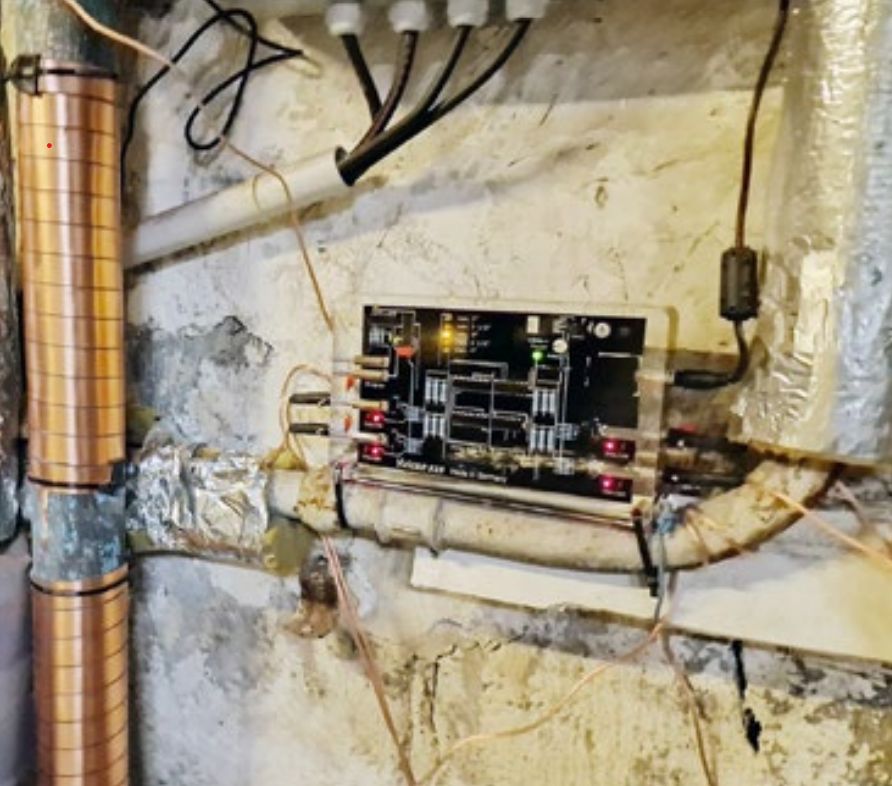
Why Hotels & Multi-Residential Buildings Should Switch to Salt-Free Water Conditioning
Why Hotels & Multi-Residential Buildings Should Switch to Salt-Free Water Conditioning Hotels, condos, and apartment buildings depend on consistent water
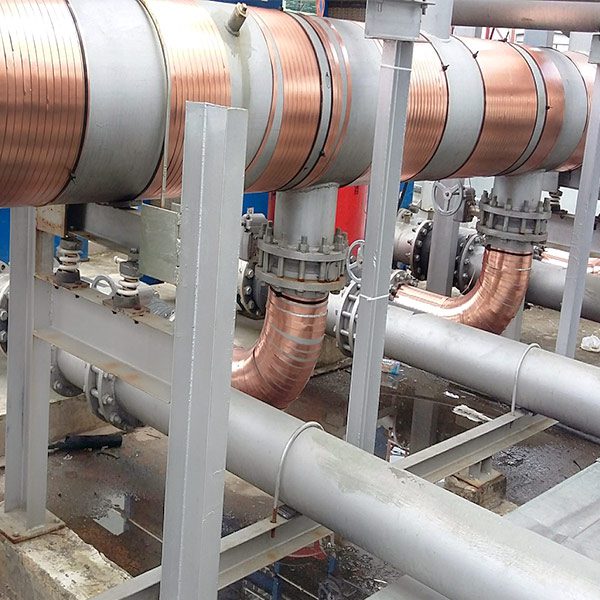
How Limescale Impacts Commercial Buildings: Costs, Risks, and Prevention
How Limescale Impacts Commercial Buildings: Costs, Risks, and Prevention Hard water isn’t just a residential inconvenience. In commercial buildings, limescale