When it comes to protecting your facility's drinking and process water, reverse osmosis (RO) is one of the most trusted filtration methods on the market. But what exactly does it filter out - and what slips through the cracks?
If you're considering a reverse osmosis system for your business, it's important to understand both its strengths and its limitations. Let's break it down so you can make the best decision for your water quality.
What Is Reverse Osmosis?
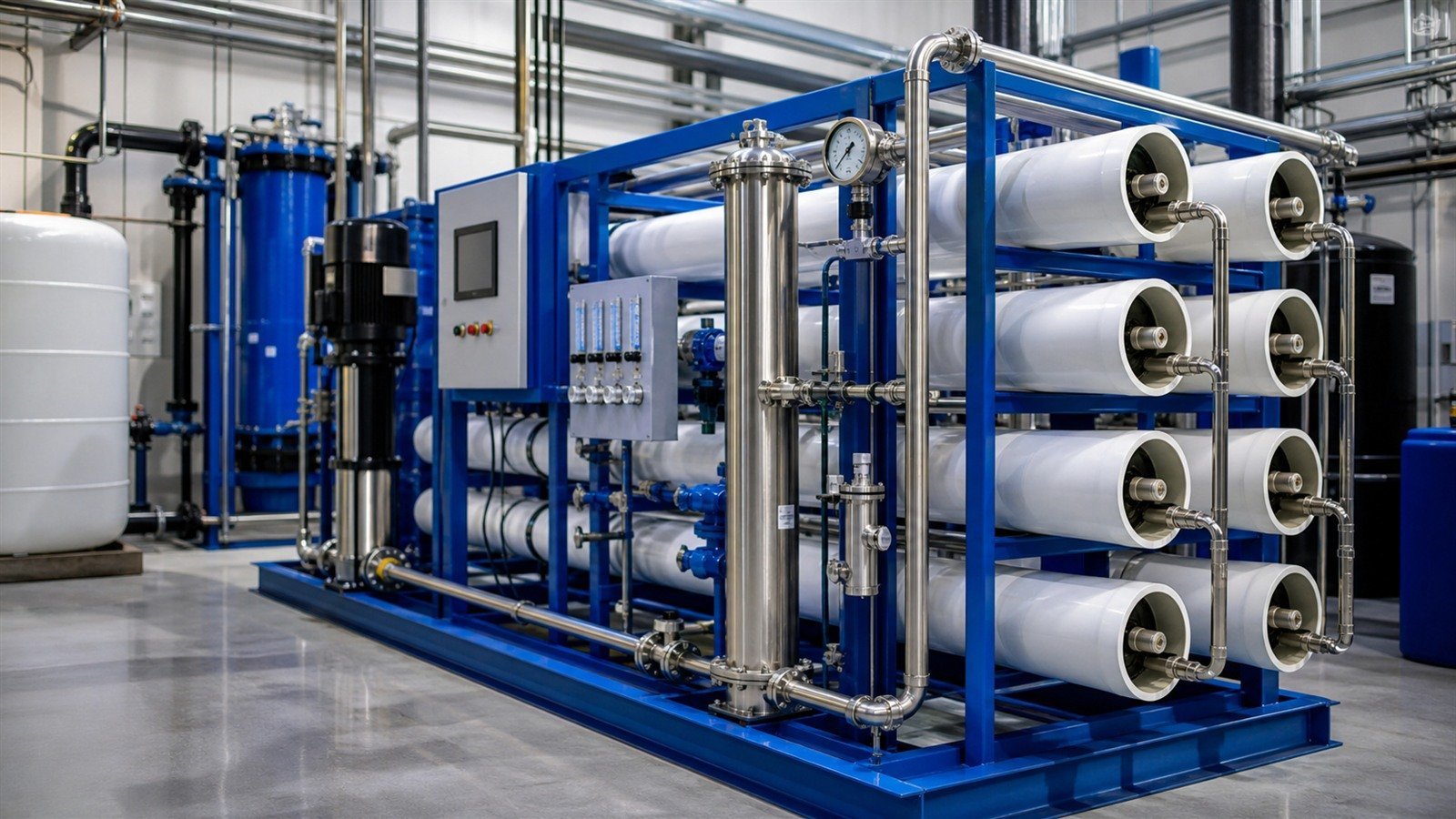
Reverse osmosis is a filtration process that forces water through a semipermeable membrane, removing contaminants along the way. It's commonly used in both commercial and industrial settings for producing clean, great-tasting water.
What Reverse Osmosis Removes
RO systems are highly effective at eliminating a wide range of harmful substances. Here are the main categories of contaminants that reverse osmosis systems typically remove.
1. Dissolved Salts and Minerals
- Sodium
- Chloride
- Calcium
- Magnesium
- Sulfates
- Nitrates
2. Heavy Metals
- Lead
- Arsenic
- Mercury
- Chromium
- Cadmium
3. Chemical Contaminants
- Fluoride
- Pesticides
- Herbicides
- Volatile organic compounds (VOCs)
- Perfluorinated chemicals (PFOA, PFOS)
4. Microorganisms (To a Degree)
Reverse osmosis membranes can block many bacteria, viruses, and protozoa, but they should not be solely relied upon for biological disinfection. That's why many facilities pair RO systems with a UV light water treatment system for added protection.
5. Bad Tastes and Odors
RO systems effectively reduce chlorine and other substances that can cause unpleasant tastes and smells.
What Reverse Osmosis Doesn't Remove
While reverse osmosis is powerful, it isn't perfect. Some substances can pass through or require pre- or post-treatment to be fully addressed.
1. Certain Pesticides and Solvents
Some smaller or less polar organic compounds can pass through RO membranes. Carbon filters in multi-stage systems help catch many of these, but not all.
2. Chlorine and Chloramines
RO membranes can degrade from chlorine exposure. Most systems include a carbon pre-filter to reduce these chemicals - but the RO membrane itself doesn't remove them effectively.
3. Gases
Dissolved gases like carbon dioxide and radon can slip through RO membranes, especially without a degassing step.
4. Essential Minerals
While removing contaminants is a benefit, RO systems also remove minerals like calcium and magnesium. If that is a concern, a post-RO remineralization filter can restore beneficial content.
Is Reverse Osmosis Right for Your Facility?
Reverse osmosis systems are ideal for facilities dealing with:
- High total dissolved solids (TDS)
- Lead or arsenic contamination
- Salty, metallic, or chemical-tasting water
- Well water with questionable quality
If your main concern is bacteria or viruses, an RO system should be paired with UV light water treatment for comprehensive safety.
Why Businesses Trust MT Treatment
At MT Treatment, we've been installing commercial reverse osmosis systems for over 15 years across Ontario. Our systems come with professional installation, long-term warranties, and filtration customized to your specific water profile. We don't believe in one-size-fits-all. Whether you're on city water or a private well, our licensed team will test your water and recommend a solution that works - and lasts.
Final Thoughts
Reverse osmosis is a powerful tool in your water purification arsenal, especially when integrated with complementary filters like carbon blocks and UV lights. It's one of the most effective ways to get clean, safe, and great-tasting water straight from the tap.
RO is one stage, not the whole system
In a commercial install, the RO membrane rarely works alone. It sits inside a treatment train: sediment and carbon pre-filters protect the membrane from chlorine and particulate, the membrane removes dissolved solids, and — depending on the application — a UV step handles microbial safety while a remineralization or pH-correction stage tunes the output. Sizing that train correctly matters as much as the membrane itself. An undersized system can't keep up with peak demand; an oversized one wastes water to drain. That is why we start from your measured water quality and your real flow requirements rather than a catalogue spec.