WHO WE SERVE

Commercial Water Treatment by Industry

A combi-oven, a boiler room, an autoclave, a mash tun and a spot-free rinse arch all fail on hard, chlorinated water in different ways. We design the treatment around the equipment each facility runs on.

Which industries does MT Treatment serve?

MT Treatment designs, installs and maintains water treatment for five kinds of commercial facility across the Greater Toronto Area: restaurants and food service, condominiums and multi-residential buildings, dental and healthcare clinics, breweries, and car washes. Each has a different failure point, so each gets a system sized from an on-site water test rather than a one-size package. The work is done by licensed master plumbers, and one team handles both the treatment equipment and the plumbing it connects to.

Sector by sector

What each industry needs from its water

The problem we are usually called for, the systems that solve it, and the equipment they protect.

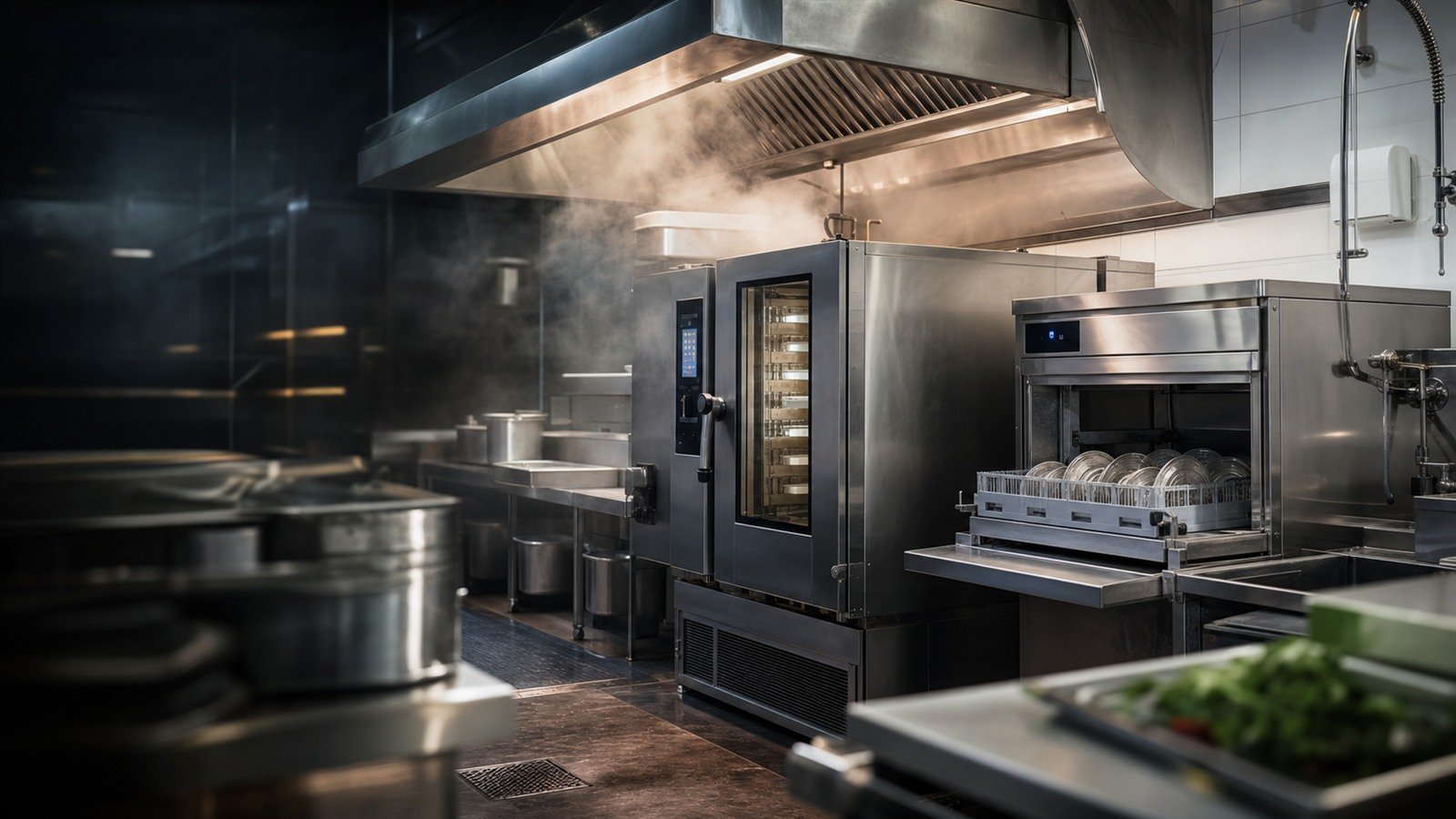
Restaurants & Food Service

The problem: Scale inside combi-ovens, dishwashers, steamers and ice machines, and chlorine taste in coffee, tea and fountain drinks.

What solves it

  • Commercial softening or Vulcan electronic scale control
  • Carbon filtration to remove chlorine taste and odour
  • Point-of-use filtration for ice, coffee and espresso

Protects: Combi-ovens, dishwashers, steamers, ice machines, coffee and espresso equipment

See solutions →

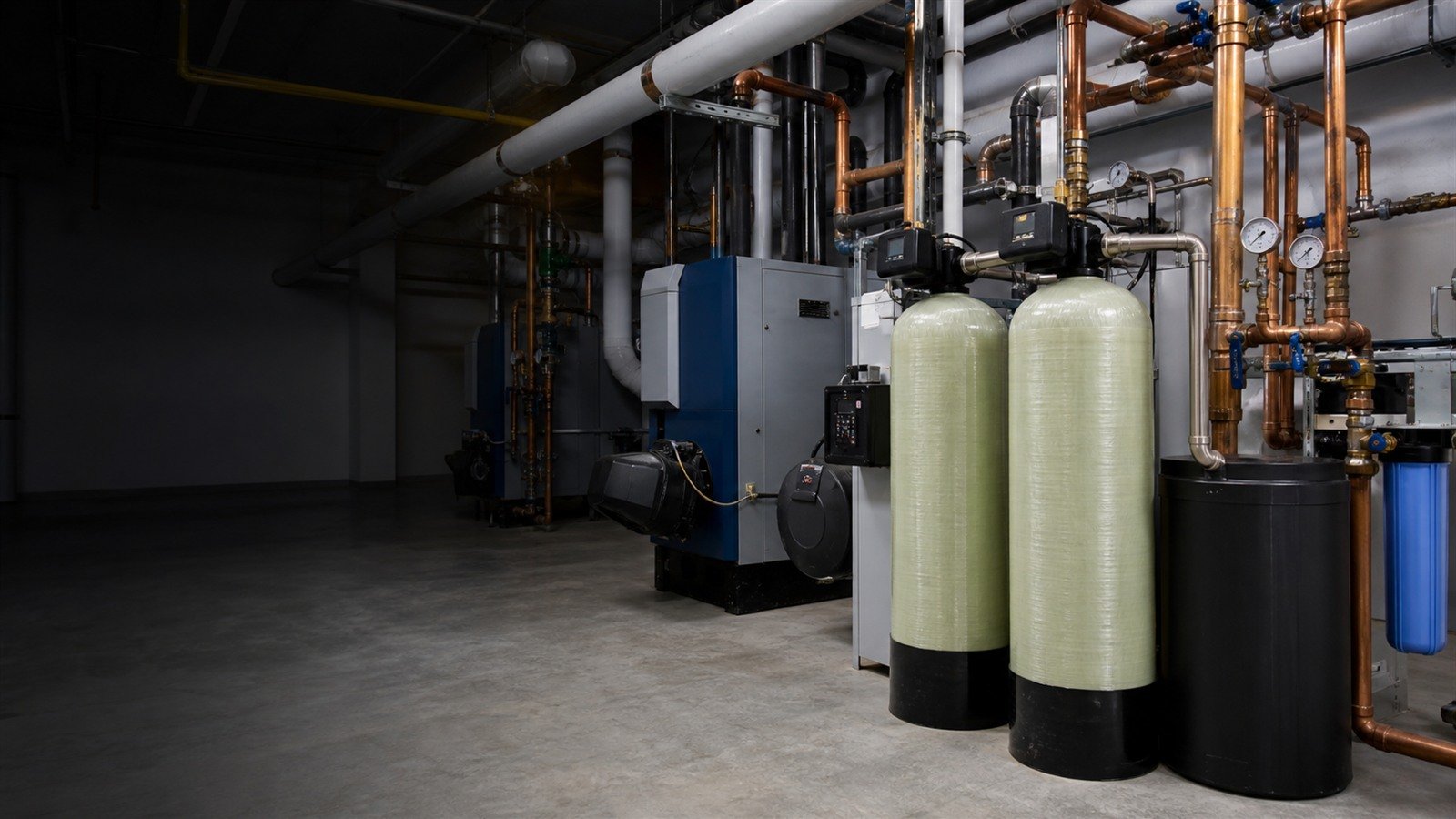
Condos & Multi-Residential Buildings

The problem: Scale on boilers, heat exchangers and domestic hot-water tanks in the mechanical room, with hardness complaints repeated in every suite.

What solves it

  • Duplex commercial softeners sized for the building's peak demand
  • Vulcan electronic descalers where salt storage or brine drainage is a problem
  • Whole-building sediment and carbon filtration

Protects: Boilers, heat exchangers, domestic hot-water tanks, common laundry

See solutions →

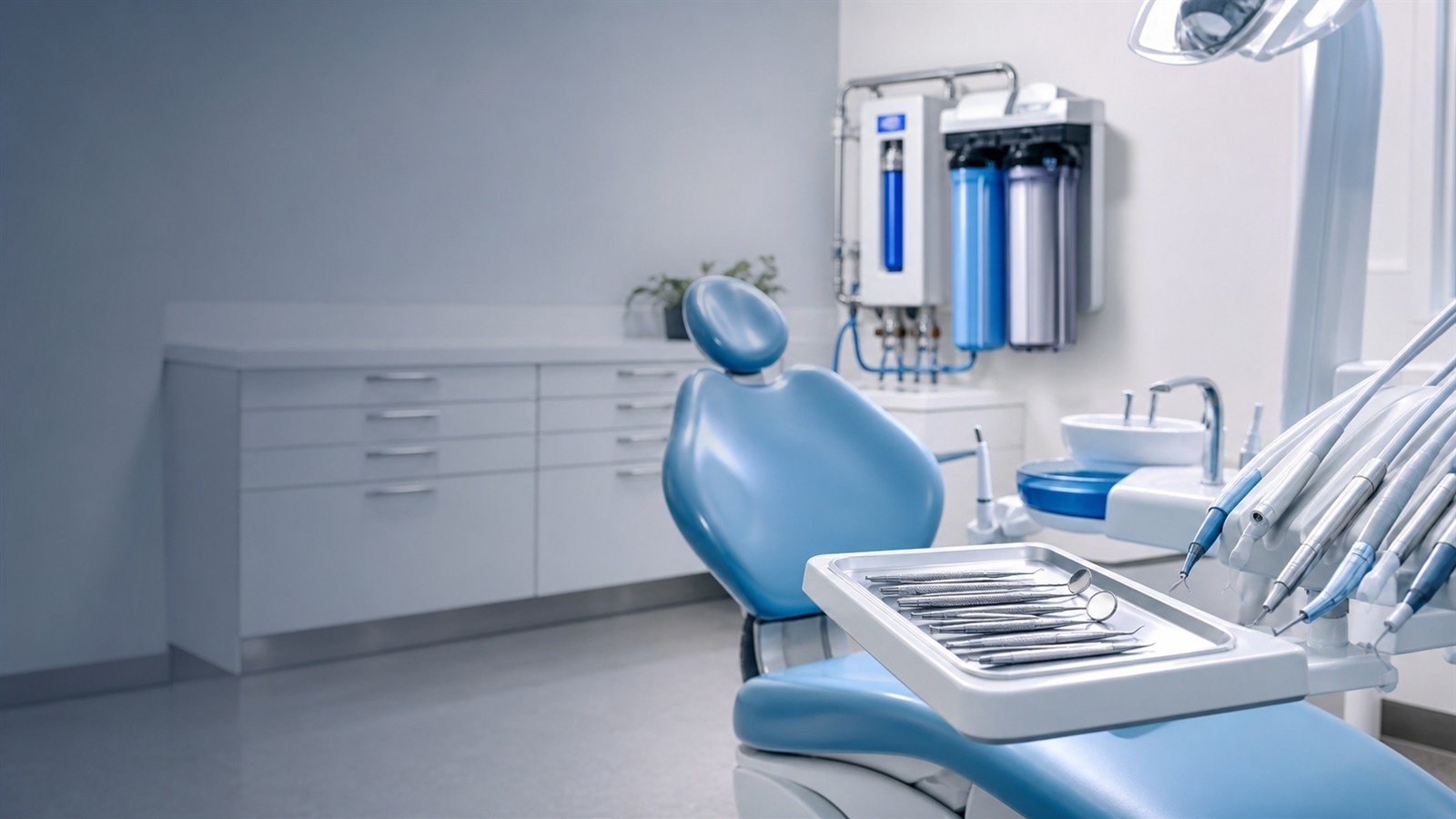
Dental & Healthcare Clinics

The problem: Mineral scale in autoclaves and dental unit waterlines, plus the need for documented microbial control inside an infection prevention and control program.

What solves it

  • Reverse osmosis for low-mineral, consistent feed water
  • UV disinfection ahead of point of use
  • Scheduled, documented filter, membrane and lamp service

Protects: Autoclaves and sterilizers, dental unit waterlines, lab and point-of-use taps

See solutions →

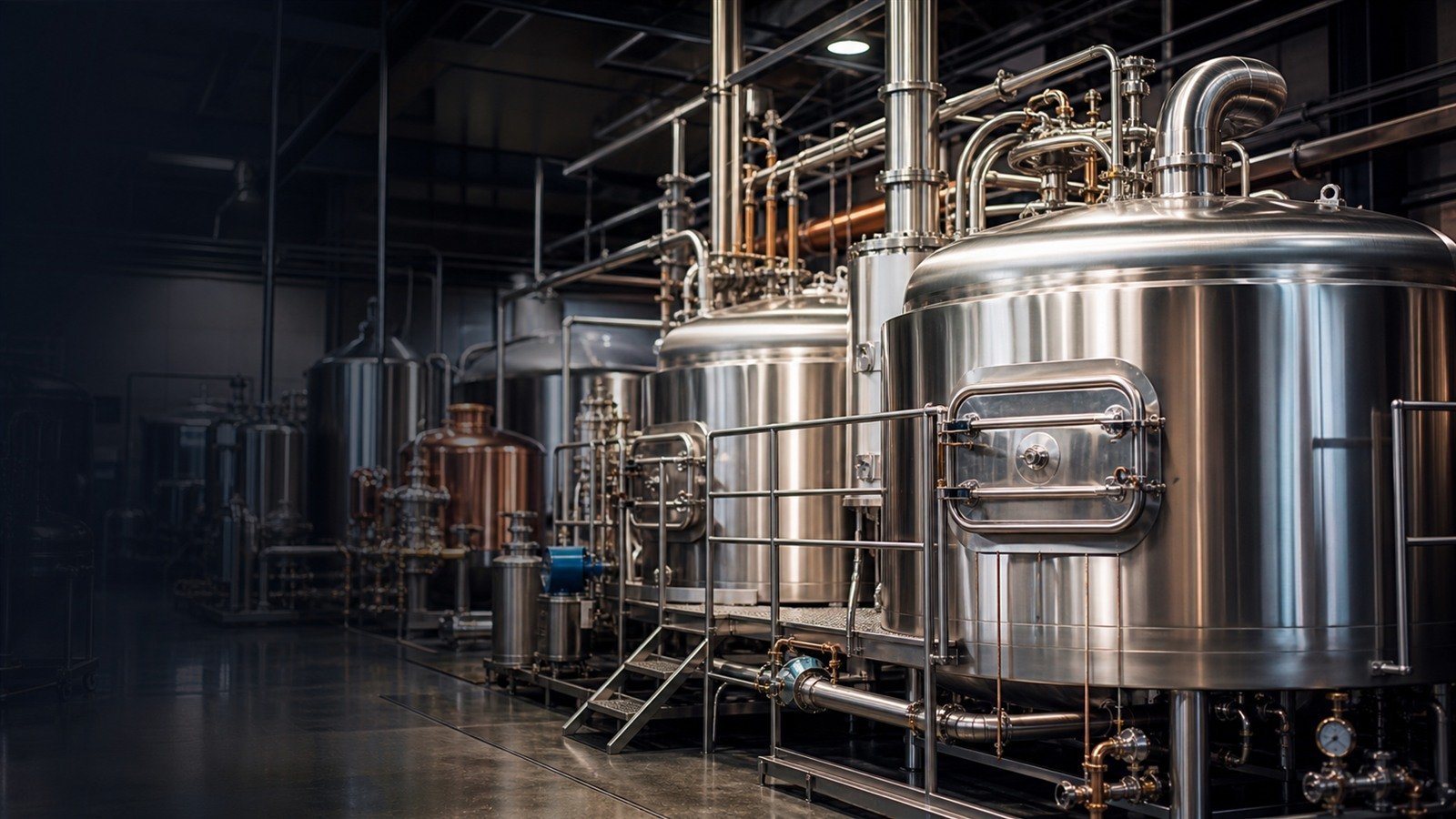
Breweries

The problem: Chlorine and chloramine in the brewing water, and a mineral baseline that changes from batch to batch.

What solves it

  • Carbon dechlorination sized to brew-day flow
  • Reverse osmosis for a repeatable baseline to build water profiles on
  • Sediment pre-filtration to protect everything downstream

Protects: Hot liquor tanks, mash tuns, glycol chillers, glass washers

See solutions →

Car Washes

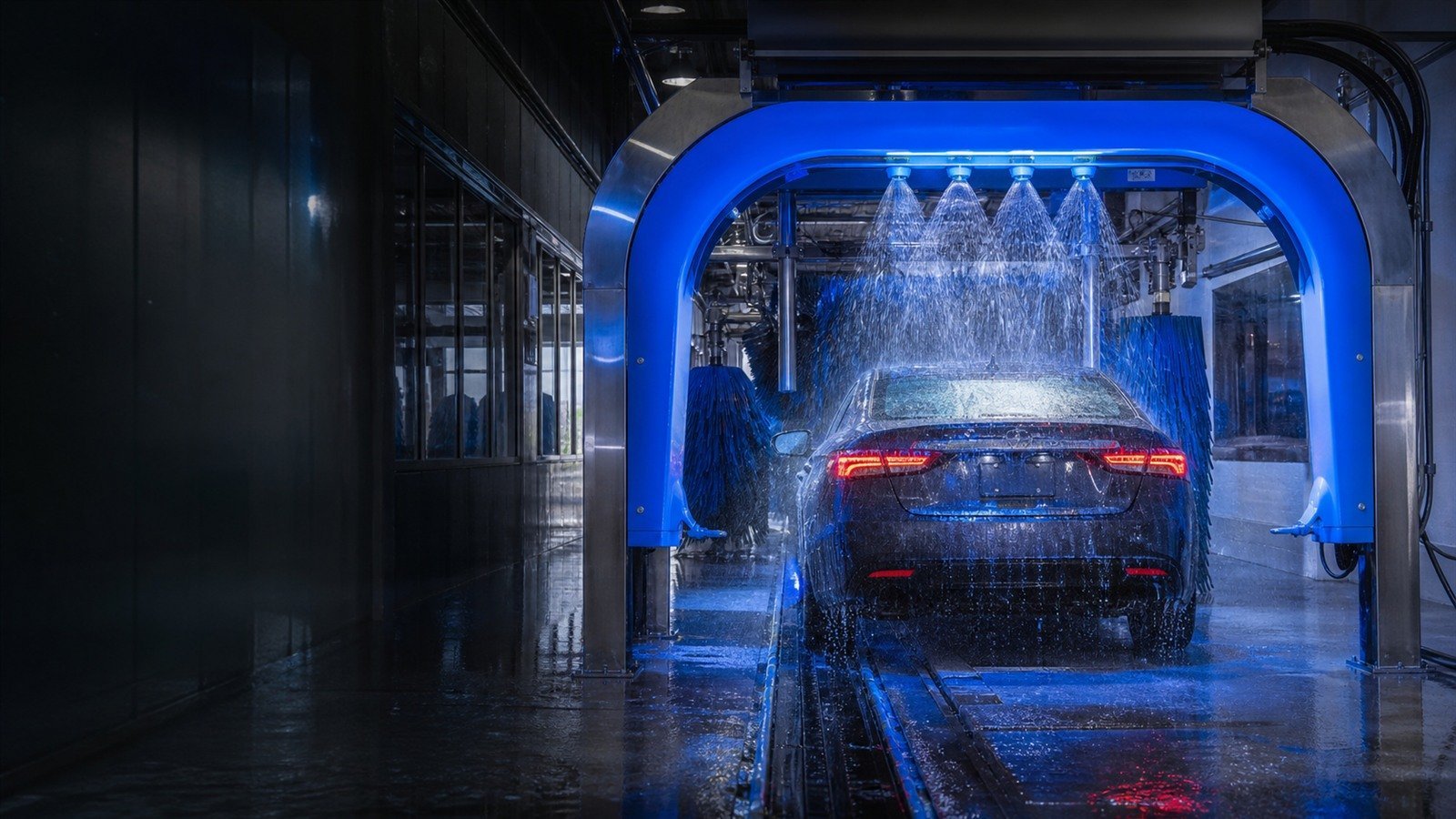
The problem: Water spots left on the final rinse, scale in heaters, pumps and nozzles, and water bills driven up by hardness.

What solves it

  • Softening ahead of the wash cycle
  • Reverse osmosis for the spot-free rinse
  • Scale control for heaters and high-pressure pumps

Protects: Spot-free rinse arches, water heaters, high-pressure pumps, nozzles

See solutions →

Our process

How we approach any facility

  1. 1

    Test the water on site

    Hardness, chlorine or chloramine, iron, pH and flow measured at your building, not taken from a regional average.

  2. 2

    Size to the equipment

    The system is specified for the equipment it protects and the peak flow it has to carry, with room for growth.

  3. 3

    Install to code

    Licensed master plumbers install the treatment train and the plumbing around it, so there is one accountable contractor.

  4. 4

    Maintain on a schedule

    Filter changes, membrane service, UV lamp replacement and softener checks on a set schedule, with records you can keep on file.

What GTA commercial facilities have in common

Most of the Greater Toronto Area receives Lake Ontario water that is safe to drink but moderately hard, about 120 to 128 mg/L as calcium carbonate (roughly 7 to 7.5 grains per gallon) in Toronto, York, Peel and Durham, and chlorinated or, in York Region, chloraminated. Groundwater communities run much harder: about 141 mg/L in Newmarket, 235 mg/L in Caledon, 318 mg/L in Whitchurch-Stouffville and up to 340 mg/L on Barrie's well-fed north side, often with iron and manganese. For a facility that heats, stores or processes that water, the dissolved hardness becomes scale on heating surfaces, and the disinfectant attacks seals, membranes and flavour. The equipment differs by industry, but the chemistry is the same, which is why every project starts with the same water test. Read more in Does Toronto have hard water? and How limescale impacts commercial buildings.

The salt-free option: Vulcan electronic scale control

For most of the facilities above, the problem is scale, not the minerals themselves. A Vulcan electronic descaler changes how hardness minerals crystallize so they stay in suspension and wash through instead of bonding to boilers, heat exchangers, dishwashers and pipework, and it gradually breaks down scale that is already there. It uses no salt and no chemicals, needs no brine tank, drain, backwash water or resin, takes up no floor space beyond the pipe it clips onto, and has no consumables to buy. The installed cost is comparable to a commercial softener. Restaurants, condominiums, hotels and clinics choose it when they want the equipment protection of softening without the salt deliveries, the drain connection or the mechanical-room footprint. MT Treatment is the authorized GTA distributor; where a process genuinely needs soft or low-mineral water, such as a spot-free rinse or reverse osmosis feed, we size a softener or RO instead. See Vulcan descaler installation or browse Vulcan models.

Compare Vulcan models

Don't see your industry?

The five sectors above are where most of our work is, but the same systems serve hotels, fitness clubs, laundromats, schools, places of worship, greenhouses, small manufacturers and offices. If your facility heats water, makes ice or steam, runs a dishwasher or has a boiler room, we can size a system for it. See the full list of commercial water treatment services or contact us with a description of the building.
FAQ

Frequently Asked Questions

Which industries does MT Treatment work with?

Restaurants and food service, condominiums and multi-residential buildings, dental and healthcare clinics, breweries, and car washes are our main sectors across the GTA. We also treat water for hotels, fitness clubs, laundromats, schools and light manufacturing, because the equipment problems and the systems that solve them are the same.

How do you decide which system a facility needs?

We start with an on-site water test for hardness, chlorine or chloramine, iron, pH and flow, then look at the equipment the water feeds and its peak demand. Hardness problems point to softening or a Vulcan electronic descaler, taste and chlorine point to carbon filtration, low-mineral or spot-free needs point to reverse osmosis, and microbial control points to UV. Most facilities end up with a short treatment train of two or three of these.

Do you handle the plumbing as well as the treatment equipment?

Yes. MT Treatment is a licensed master plumbing contractor, so the same team installs the softener, filter, RO or UV system and the piping, bypass and drain connections around it. There is no second trade to coordinate and one service history for the building.

Do you offer maintenance contracts?

Yes. Every system we install can be put on a scheduled maintenance plan covering filter changes, membrane service, UV lamp replacement, softener checks and water retesting, with service records kept for your files or your compliance program.

Do you work with residential customers?

Our installation work is commercial, industrial and multi-residential. Homeowners can buy Excalibur and Vulcan equipment from our online shop and have their own plumber install it.